

Bringing Anime Figures to Life Starts Here!
Anime figures captivate fans with their stunning designs, and the journey continues after white models are tested. Now, it’s time to craft molds and kick off mass production. This process turns prototypes into collectibles you’ll love. From selecting mold types to painting details, every step shapes the final product. Meanwhile, let’s dive into how anime figures hit the market and why success takes time. Get ready for a behind-the-scenes look at your favorite figures!
Crafting anime figures Molds: The Heart of Production
After testing white models, designers craft molds to mass-produce anime figures. Molds shape the figures, ensuring consistency. Common types include silicone molds for small runs and metal molds for large-scale PVC molding. Silicone molds, made by pouring liquid silicone over the prototype, suit detailed designs but wear out fast. Metal molds, cut with CNC machines, handle high volumes and last longer. Furthermore, the mainstream method uses injection molding with PVC, blending durability and cost-efficiency. As a result, these molds lay the foundation for quality figures.
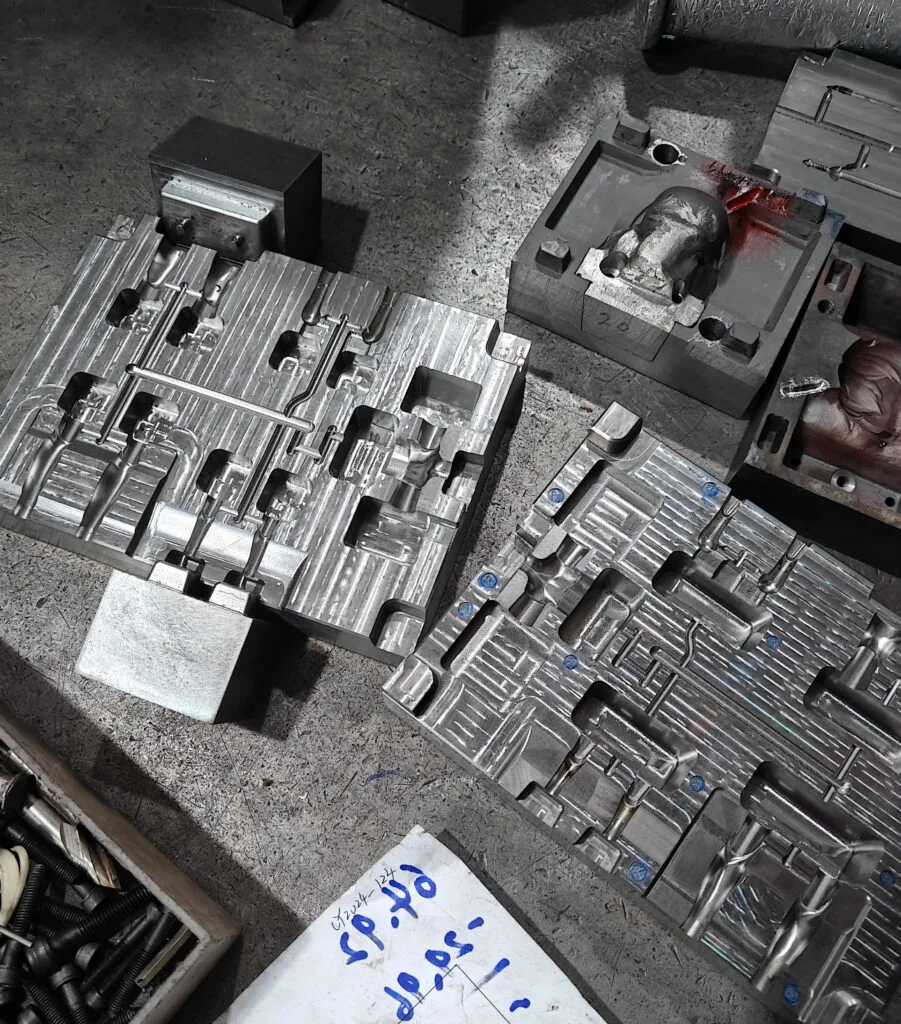
Adjusting Details and Adding Color
Once molds produce anime figures, designers refine them. They check for imperfections—like uneven surfaces or misaligned parts—and tweak the mold. Next, they add color using airbrushes or spray guns, matching the character’s palette. For instance, vibrant hair or eye shades get layered carefully. However, mistakes happen. A rushed paint job can smear details. As a result, artists adjust the original files and repaint, ensuring each figure shines. This step transforms raw molds into eye-catching collectibles ready for fans.
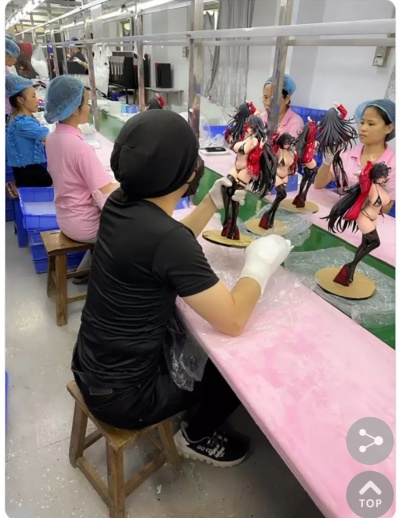
The Mass Production Process Unveiled
Mass production kicks in with injection molding machines. These devices pump molten PVC into metal molds, cooled to form solid anime figures. Each cycle takes 30-60 seconds, producing hundreds daily. Workers then trim excess plastic and assemble parts, like detachable arms. Meanwhile, quality checks spot defects before packaging. Some factories use automation for speed, while others rely on skilled hands for precision. As a result, this process churns out thousands of anime figures, meeting global demand with efficiency.
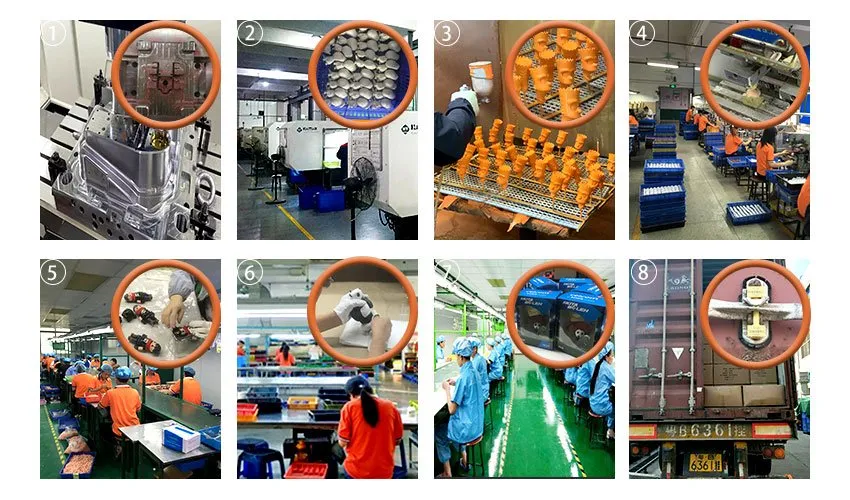
Market Education: A Slow Burn to anime figures Success
Not every anime figure sells out instantly. Fans need time to discover new releases, a process called market education. A figure might sit on shelves until buzz builds, often via social media or conventions. However, luck plays a role. Sometimes, multiple releases flop despite great design. For instance, a niche character might not click with buyers. As a result, companies test different styles and scales, learning what fans crave. This trial-and-error shapes future hits, keeping the market fresh.
The Art of Trying and Testing
Creating anime figures is a gamble. Designers might launch several lines, hoping one takes off. A stunning prototype can still fail if it misses the fanbase’s taste. Furthermore, timing matters—releasing during an anime’s peak boosts sales. Companies track feedback, adjusting future molds or colors based on response. For example, a slow seller might inspire a limited-edition repaint. As a result, this ongoing process blends creativity with strategy, ensuring anime figures evolve with fan passions.
Dive deeper into the 2025 anime collectibles boom!
For the ultimate guide to trends, top brands, and cultural insights—from figures to cutting-edge tech—check out our comprehensive resource: 2025 Ultimate Anime Culture and Collectibles Guide.
[vc_column]











Anime sex doll